5.016 Google reviews Sunshine Coast owned. Australia-wide delivery.
Home / Uniforms & Apparel / T-Shirt Printing

T-SHIRT PRINTING SUNSHINE COAST

Custom t-shirt printing for Sunshine Coast businesses, clubs, schools and events. We press DTF in-house for small runs and full colour artwork, and screen print bulk orders, so you get the right method for your numbers. We are based in Baringa, we deliver Caloundra jobs ourselves, and the rest of the Coast goes by courier. A tee is the one piece of merch people actually choose to wear, which means the garment matters as much as the print. We work with the two ends of the market. AS Colour for retail quality merch that a customer would pay for, and JB’s Wear for volume tees where the size run and the price per unit are what count.

Shop 300 styles with prices →Build your order

Popular styles

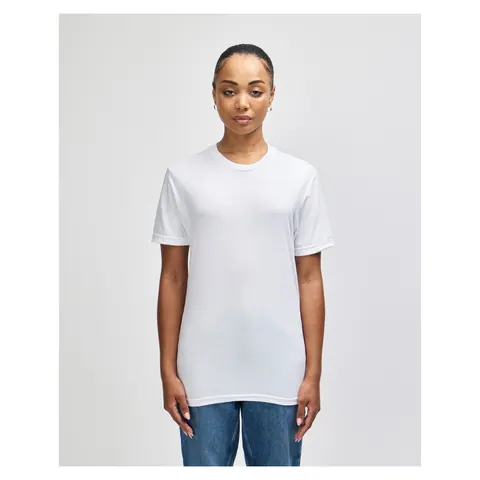
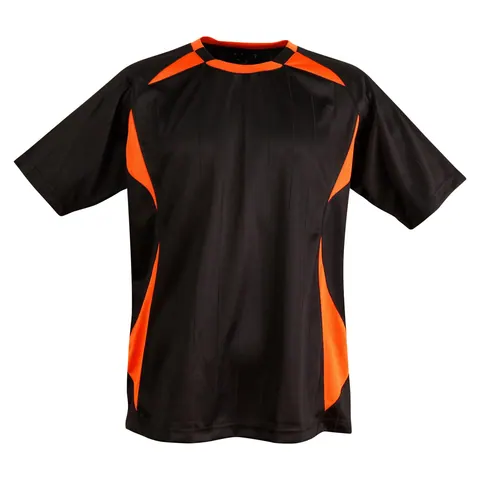
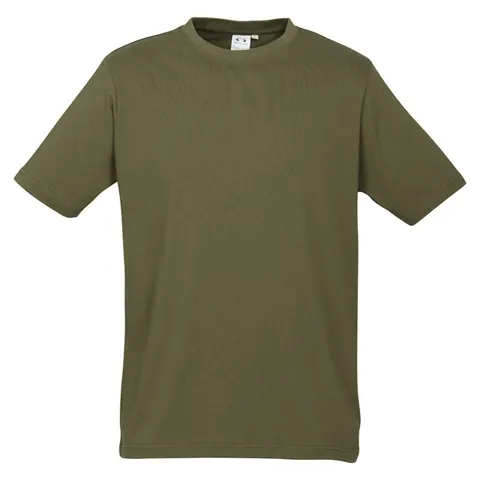
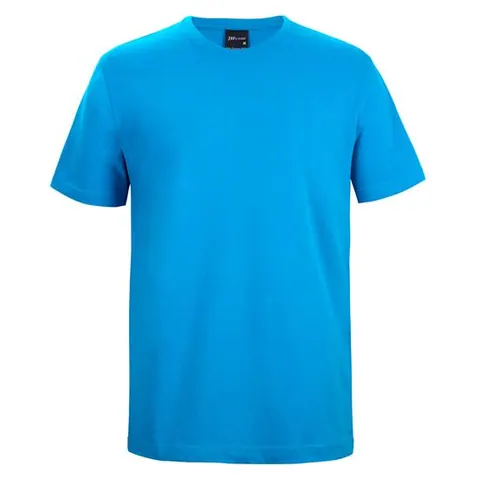
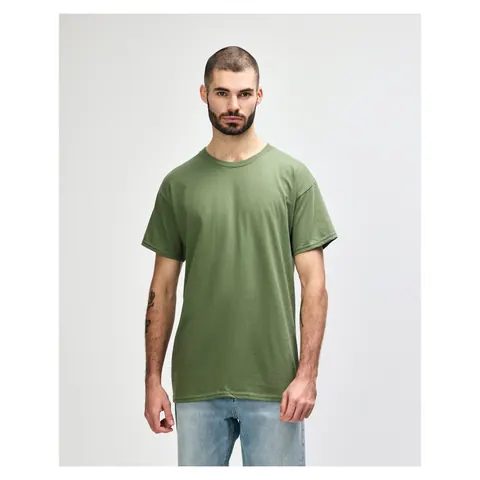
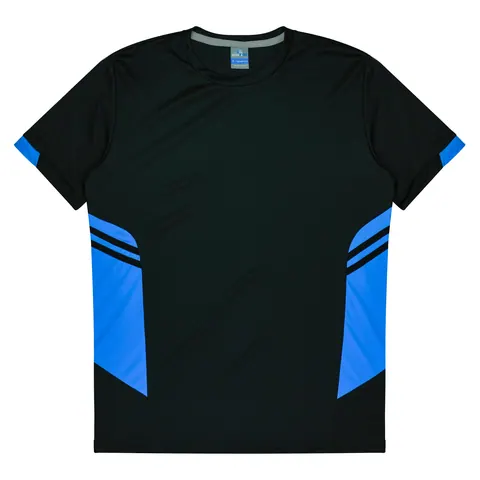
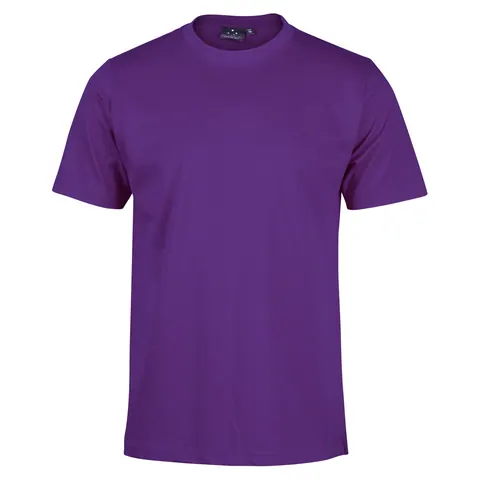
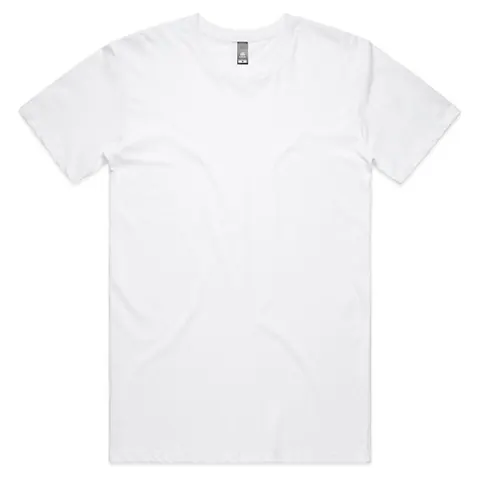
A few of the styles our customers pick most for this job. Prices are for the blank garment, inc GST, with bulk savings from 10 pieces. Your logo is quoted on top. The shop has all 300 styles with every colour, a size grid and supplier stock.

Brands in this rangeAS Colour 120American Apparel 27Winning Spirit 27Biz Collection 24JB's Wear 23Gildan 22Aussie Pacific 17Benchmark 8Champion 8Goodmates 7Colortone 5Comfort Colors 5AllPro 3Syzmik 3Australian Industrial Wear 1

Shop all 300 tees →Shop club & school teamwear →

How our t-shirt printing works

Screen printing

Still the best finish and the best cost per unit once the numbers climb. Ink is pushed through a mesh screen, one screen per colour, so a two colour design needs two screens and two passes. That setup is charged once, which is why screen printing is usually quoted from around twenty to twenty five units per design. Above that it gets cheaper per shirt the further you go, and the finish is soft, durable and correct for large solid areas of colour.

DTF transfers

Direct to film has changed small runs completely. Your artwork is printed onto a film, powdered, cured and then heat pressed onto the garment. There are no screens, so there is effectively no setup, which means full colour artwork on ten shirts is now sensible where it never used to be. It handles photographs, gradients and unlimited colours. It is the right answer for one offs, size top ups, reorders and anything with complicated artwork. We press DTF in-house, so we check every garment ourselves before it goes out.

Which one you actually want

The honest rule is that the crossover sits somewhere around twenty to thirty shirts. Below that, DTF almost always wins because you are not paying for screens. Above that, screen printing usually wins on both cost and hand feel, especially if your design is one or two flat colours. If your design is full colour and your run is two hundred shirts, that is the one case where it is worth a proper conversation, because the answer depends on the artwork.

Garment weight changes everything

AS Colour publishes its tees by weight, and the number tells you what you are buying. Around 160gsm is a light giveaway tee. 180gsm is the standard retail weight and where most merch lands. 220gsm and up is heavyweight, holds its shape, and is what streetwear brands use. A heavier tee costs more and feels like it is worth more, which matters if you are selling the merch rather than giving it away. Watch the suffixed codes too, because AS Colour uses them for extended sizes and organic versions.

What the Coast prints tees for

Staff and crew shirts

Casual workplaces, warehouses and landscaping teams. Usually a JB’s tee for the size run, with a chest logo and a back print.

Event and volunteer shirts

Markets, festivals, fun runs and community days. Often one colour on a light tee, ordered late, which is where DTF earns its place.

Merch you sell

Cafes, gyms, breweries and local brands. AS Colour at 180gsm or heavier, because a customer paying for a shirt can tell the difference straight away.

Schools and clubs

Camp shirts, year twelve jerseys, club training gear. The kids size run and a firm deadline are the two things that decide the garment.

Fundraising and awareness

One off runs for a cause, often with names or numbers on the back. DTF handles the personalisation without a setup per shirt.

Trade shows and launches

Stand staff in matching tees, usually ordered alongside pull up banners and tablecloths so the whole stand lands together.

How your logo goes on

MethodWhat it isWhat it suitsMinimum guide
EmbroideryThread stitched into the fabric.
Your logo has to be digitised once, which is a one off fee of $68 inc GST per logo. We keep the file so reorders do not pay it again.
Polos, caps, business shirts, softshell, aprons, anything that has to read as a uniform.Around 10 to 12 on a new logo, often 1 on a reorder. Caps usually hold 12 either way.
DTF transferArtwork printed to film, then heat pressed on. Pressed in-house.
No screens means no setup, which is why complicated artwork on ten shirts is now realistic.
Small runs, full colour artwork, photographs, names and numbers, size top ups.Effectively none. Sensible from about 10.
Screen printingInk pushed through a mesh screen, one screen per colour.
Best cost per unit once the numbers climb, and the softest hand feel on a tee.
Larger runs of tees and hoodies, especially one and two colour designs.Around 20 to 25 per design per colour.
Applied patch or vinylA woven or printed patch, or cut vinyl, heat applied.
Useful when a logo has fine detail that thread cannot hold at the size you want.
Beanies, caps, small runs, and logos that will not embroider cleanly at size.Low, confirmed per job.

Minimums are a guide only and are confirmed on your quote. They move with the garment, the decorator and whether your logo is already on file.

More on each method: logo embroidery on the Sunshine Coast, screen printing on the Sunshine Coast, DTF printing on the Sunshine Coast.

Decoration positions and sizes

FRONTLeft chest80 to 100mmRight chest70 to 100mmCentre chest180 to 260mmBACKBack neckUpper back200 to 280mmFull back250 to 350mmSleeve50 to 75mmCAPCap front90 to 120mmCap side40 to 70mmPositions are described from the wearer’s point of view, so left chest means their left. Sizes are typical maximum widths and vary by garment.
PositionWhere it sitsTypical maximum width
Left chestThe default uniform position, on the wearer’s left.80mm to 100mm wide
Right chestSecond logo, a name, or an accreditation mark.70mm to 100mm wide
Centre chestCasual and merch, hoodies especially.180mm to 260mm wide
Upper backAcross the shoulder blades. The standard place for a business name.200mm to 280mm wide
Full backLarge merch prints and club designs.250mm to 350mm wide
SleeveUpper arm, left or right.50mm to 75mm wide for embroidery
Cap frontCentre front panel. Height is the tighter limit, not width.90mm to 120mm wide
Cap sideSmall secondary mark.40mm to 70mm wide

Positions are described from the wearer’s point of view. Sizes are typical maximums and vary by garment, so the mockup you approve is always the real answer. Full decoration guide →

How ordering works

Tell us what you need

Pick the garments below and send them through, or just describe the job. Headcount, rough sizes, how many logo positions and your deadline are enough to start.

We quote it properly

We price the garment, the decoration and the freight to your address as one number, and we confirm the real minimum order and lead time for your job rather than a general one.

Approve your mockup

You get a visual showing your logo in position and at actual size on the garment you chose. Nothing is stitched or pressed until you approve it.

We produce and deliver

As a guide, ten to fifteen business days from artwork approval, plus freight. The clock starts at approval, not at order, and supplier stock is the usual cause of a delay.

How we supply uniforms

We buy the garments ourselves from the major Australian workwear and apparel brands, so we can put you in the right garment rather than the one brand we happen to stock. DTF transfers are pressed in-house. The full colour film is printed for us by a trade printer, and we press, check and pack every garment ourselves. Embroidery and screen printing are done by an established Sunshine Coast decoration house we work with. Either way you deal with us from quote to delivery.

That is deliberate. It means a small order is not penalised for being small, and a size top up or a new starter’s shirt does not have to wait for a big production run. It also means we quote rather than show a live price on these pages, because the honest number depends on the garment, the quantity, the number of decoration positions and how many stitches your logo needs. As a guide, embroidery starts from $15.50 a garment inc GST at the lowest stitch count, plus the garment.

Minimums and lead times, honestly

Every number on this page is a guide, and we confirm the real one on your quote. As a rough guide: embroidery from around 10 to 12 units on a new logo and often a single garment on a reorder, screen printing from around 20 to 25 per design per colour, and DTF from about 10 with no real technical minimum. Caps usually hold a minimum of around 12 even on repeats.

Lead time is typically 10 to 15 business days from the moment you approve the artwork, plus freight to you. Two things get missed. The clock starts at artwork approval and not at order placement, and garment stock availability is the single most common reason a job runs late. If you have a fixed date, say so at the start and we will only quote garments that can actually make it.

One more thing worth knowing before you order. A decorated garment cannot be returned for a size swap, because it was made for you. For any rollout beyond about fifteen people, ask us about a size set so your team can try on rather than guess.

Artwork for uniforms and merch

Send a vector file, so EPS, AI or PDF with the fonts outlined. A logo pulled off your website will reproduce exactly as blurry as it looks on screen. For DTF and full colour work a high resolution PNG at the actual print size with a transparent background also works well.

Embroidery needs one extra step. Your logo has to be digitised, which is a separate file telling the machine the stitch path and the order it sews in. That is a one off cost per logo and the file is kept on record, so your reorders and your new starters do not pay it again. Fine text under about 5mm high, thin outlines and gradients are the three things that cause trouble in thread, and we will tell you before you commit rather than after.

One thing worth saying plainly. Decoration positions are described from the wearer’s point of view, so left chest means their left, which is your right when you are looking at them. Getting that straight at the start saves a whole reprint.
Frequently asked questions

How much does t-shirt printing cost?

It comes down to the garment, the quantity, the number of print positions and the print method. A light tee with a one colour chest print on a run of a hundred is a very different number to twenty heavyweight tees with a full colour front and back. Tell us the garment, the numbers and what the artwork looks like and we will quote it properly.

What is the minimum order for t-shirt printing?

For DTF there is effectively no technical minimum, and small runs from around ten units make sense. For screen printing the practical minimum is around twenty to twenty five per design per colour, because each screen has to be made. We confirm the real minimum on your quote.

Do you do t-shirt printing in Caloundra?

Yes. We are based in Baringa, in the Caloundra region, and we deliver Caloundra jobs ourselves rather than sending them by courier. We print t-shirts for businesses, clubs and events right across the Sunshine Coast too, from Beerwah and the hinterland up to Noosa, with those orders delivered by courier. You can talk to us face to face about your job, and you approve a proof before anything is printed.

Which is better, screen print or DTF?

Neither is better in general, they are better at different jobs. Screen printing wins on larger runs and simple flat colour designs, and it has the softer hand feel. DTF wins on small runs, full colour artwork, photographs and anything personalised. If you tell us the artwork and the numbers we will tell you which one we would choose and why.

How long does a t-shirt order take?

As a guide, ten to fifteen business days from artwork approval, plus freight. The clock starts when you approve the artwork rather than when you order, and garment stock availability is the usual cause of an overrun. Tell us your deadline at the start.

Can I have different designs on different shirts in one order?

With DTF, yes, and it is one of its real advantages. Each shirt can carry a different name, number or design without an extra setup each time. With screen printing every design change means new screens, so it is priced as a separate job.

What artwork do you need?

Vector is ideal, so EPS, AI or PDF with the fonts outlined. For DTF and full colour work a high resolution PNG at the actual print size with a transparent background also works well. What does not work is a small logo pulled off a website and scaled up, because it will print exactly as blurry as it looks on screen.

Do the prints survive the wash?

Yes, with normal care. Wash inside out, cold, and do not put a printed garment through a hot dryer or iron directly onto the print. Screen printed ink and a properly cured DTF transfer will both outlast the shirt if they are treated that way.

Ready to kit out the team?

Send us the headcount, the garments you like and your deadline. We will come back with a real number, including freight to your address.

Build your order online →

Or send us a quote request

You might also need