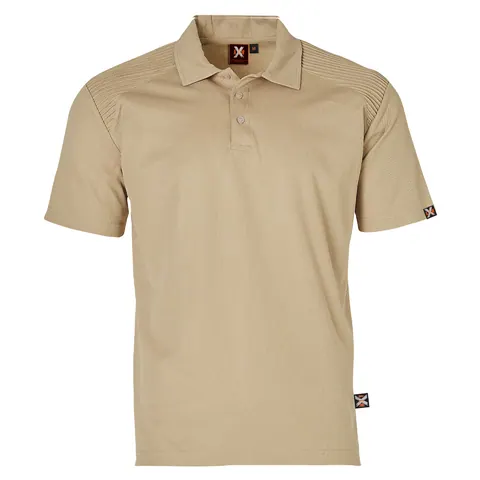
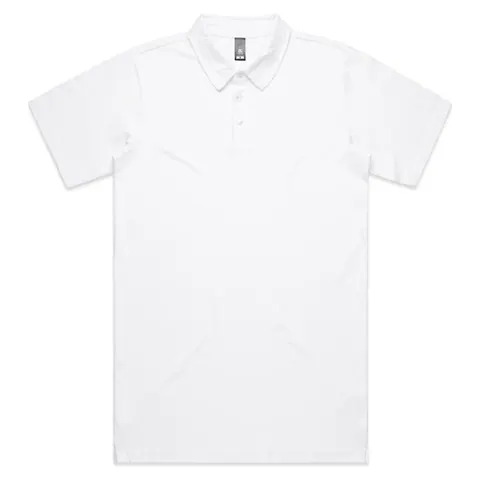
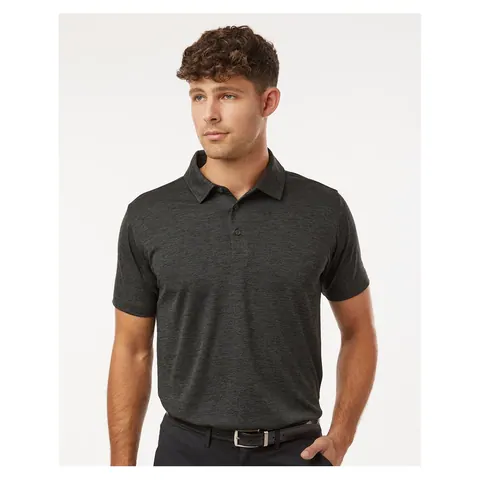
The polo is the garment most Sunshine Coast businesses put their logo on first. It works on a building site, behind a counter and at a client meeting, it survives a commercial wash, and it does not need ironing. We carry a core range from the major Australian workwear brands, in mens, ladies and kids fits, with size runs that go from 2XS all the way to 13XL.
A few of the styles our customers pick most for this job. Prices are for the blank garment, inc GST, with bulk savings from 10 pieces. Your logo is quoted on top. The shop has all 324 styles with every colour, a size grid and supplier stock.
Brands in this rangeBiz Collection 92Winning Spirit 73JB's Wear 64Aussie Pacific 47Benchmark 20Australian Industrial Wear 8AS Colour 7AllPro 4Gildan 4Inaura 2Syzmik 2Workcraft 1
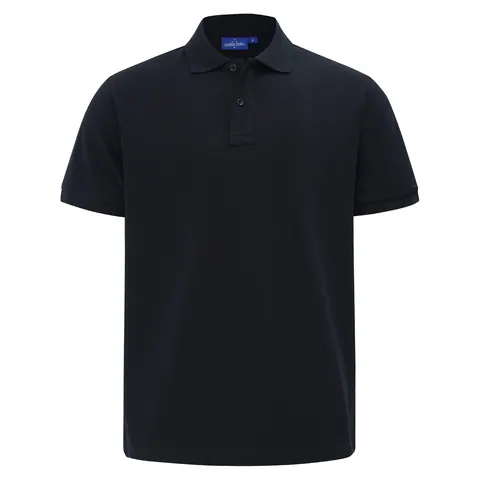
Biz Collection · P400MSMens Crew Short Sleeve Polo+9From $21.26 inc GST
Winning Spirit · PS15Mens Classic Cotton/Poly Pique Short Sleeve PoloFrom $17.42 inc GST
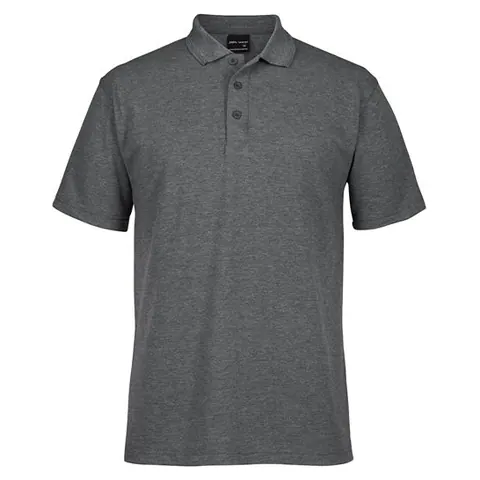
JB's Wear · 210JB's 210 Polo+12From $20.90 inc GST
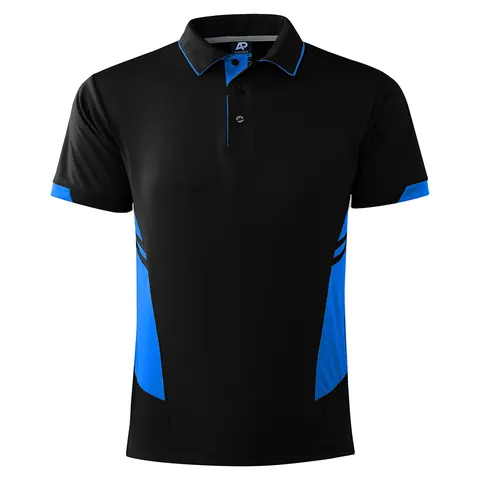
Aussie Pacific · 1311Tasman Mens Polos+19From $33.35 inc GST
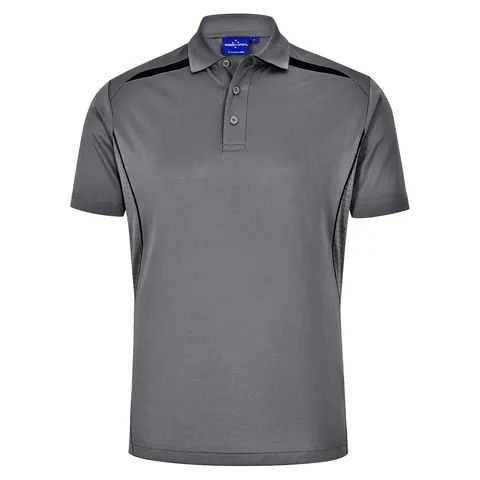
Benchmark · PS93Mens Sustainable Poly/Cotton Contrast SS Polo+7From $25.52 inc GST
Australian Industrial Wear · PS209Unisex Short Sleeve TrueDry® PoloFrom $22.00 inc GST
AS Colour · 5402Chad PoloFrom $31.68 inc GST
AllPro · 4HM00Men's PoloFrom $22.00 inc GSTShop all 324 polos →Shop tradie workwear →Shop club & school teamwear →
A 65/35 poly cotton pique like the JB’s 210 or the Biz Collection P400MS is the default for a reason. It holds its shape through years of washing, it does not shrink much, and embroidery sits flat on it. Full polyester mesh polos like the Biz Collection Sprint or the JB’s Podium are lighter and move sweat off the skin faster, which matters in a Queensland summer or on an outdoor crew. The trade off is that polyester feels more like sportswear and less like a uniform, so it suits trades, clubs and events better than a front counter.
A uniform programme lives or dies on whether you can fit everybody. The JB’s 210 family runs from 2XS to 13XL in mens, 6 to 30 in ladies and 2 to 14 in kids, which is why it wins most staff rollouts. If you have one person who needs a 7XL, choosing a style that stops at 3XL means either that person wears something different or you change the whole order. Check the top and bottom of the range before you commit, not after.
A pique knit has texture, so a printed logo sits on top of it and can crack or fade over time. Embroidery goes into the fabric and outlasts the garment. The standard position is the left chest, meaning the wearer’s left, at around 80mm to 100mm wide. Add a second logo on the right chest, a name above or below the logo, or the business name across the upper back where you want people to read it from a distance. Each position is a separate setup, so decide them all before you order.
A ladies polo is not just a smaller mens polo. The shoulder, the sleeve and the body shaping are all different, and so is the placket. Most brands in this range publish a matched pair, for example the JB’s 210 and the 2LPS, or the Biz Collection P400MS and P400LS, so a mixed team gets the same colour and the same fabric in the right cut. Ordering everybody the same unisex garment is cheaper on paper and is the most common reason a uniform order gets worn once and left in a drawer.
Plumbers, sparkies, builders and landscapers. Usually a poly cotton polo for office and quoting days, with hi vis for site. Left chest logo, business name across the back.
Front of house in a contrast polo or a softer cotton rich pique, often matched to an apron. Small, clean left chest embroidery reads better than a large logo here.
Agents and property managers at open homes. Corporate polos in the agency colours, frequently with the agent name embroidered under the logo.
Committee shirts, coaching staff and volunteers. Sports mesh in club colours, and the kids size run matters as much as the adults one.
Physios, dentists, vets and mobile practitioners. Plain corporate polos in a single colour, with a small logo and sometimes a role title.
Event days, groundskeeping and admin staff. Tender and procurement work tends to ask about fabric composition and sun protection, so those details are worth having up front.
| Method | What it is | What it suits | Minimum guide |
|---|---|---|---|
| Embroidery | Thread stitched into the fabric. Your logo has to be digitised once, which is a one off fee of $68 inc GST per logo. We keep the file so reorders do not pay it again. | Polos, caps, business shirts, softshell, aprons, anything that has to read as a uniform. | Around 10 to 12 on a new logo, often 1 on a reorder. Caps usually hold 12 either way. |
| DTF transfer | Artwork printed to film, then heat pressed on. Pressed in-house. No screens means no setup, which is why complicated artwork on ten shirts is now realistic. | Small runs, full colour artwork, photographs, names and numbers, size top ups. | Effectively none. Sensible from about 10. |
| Screen printing | Ink pushed through a mesh screen, one screen per colour. Best cost per unit once the numbers climb, and the softest hand feel on a tee. | Larger runs of tees and hoodies, especially one and two colour designs. | Around 20 to 25 per design per colour. |
| Applied patch or vinyl | A woven or printed patch, or cut vinyl, heat applied. Useful when a logo has fine detail that thread cannot hold at the size you want. | Beanies, caps, small runs, and logos that will not embroider cleanly at size. | Low, confirmed per job. |
Minimums are a guide only and are confirmed on your quote. They move with the garment, the decorator and whether your logo is already on file.
More on each method: logo embroidery on the Sunshine Coast, screen printing on the Sunshine Coast, DTF printing on the Sunshine Coast.
| Position | Where it sits | Typical maximum width |
|---|---|---|
| Left chest | The default uniform position, on the wearer’s left. | 80mm to 100mm wide |
| Right chest | Second logo, a name, or an accreditation mark. | 70mm to 100mm wide |
| Centre chest | Casual and merch, hoodies especially. | 180mm to 260mm wide |
| Upper back | Across the shoulder blades. The standard place for a business name. | 200mm to 280mm wide |
| Full back | Large merch prints and club designs. | 250mm to 350mm wide |
| Sleeve | Upper arm, left or right. | 50mm to 75mm wide for embroidery |
| Cap front | Centre front panel. Height is the tighter limit, not width. | 90mm to 120mm wide |
| Cap side | Small secondary mark. | 40mm to 70mm wide |
Positions are described from the wearer’s point of view. Sizes are typical maximums and vary by garment, so the mockup you approve is always the real answer. Full decoration guide →
Pick the garments below and send them through, or just describe the job. Headcount, rough sizes, how many logo positions and your deadline are enough to start.
We price the garment, the decoration and the freight to your address as one number, and we confirm the real minimum order and lead time for your job rather than a general one.
You get a visual showing your logo in position and at actual size on the garment you chose. Nothing is stitched or pressed until you approve it.
As a guide, ten to fifteen business days from artwork approval, plus freight. The clock starts at approval, not at order, and supplier stock is the usual cause of a delay.
We buy the garments ourselves from the major Australian workwear and apparel brands, so we can put you in the right garment rather than the one brand we happen to stock. DTF transfers are pressed in-house. The full colour film is printed for us by a trade printer, and we press, check and pack every garment ourselves. Embroidery and screen printing are done by an established Sunshine Coast decoration house we work with. Either way you deal with us from quote to delivery.
That is deliberate. It means a small order is not penalised for being small, and a size top up or a new starter’s shirt does not have to wait for a big production run. It also means we quote rather than show a live price on these pages, because the honest number depends on the garment, the quantity, the number of decoration positions and how many stitches your logo needs. As a guide, embroidery starts from $15.50 a garment inc GST at the lowest stitch count, plus the garment.
Every number on this page is a guide, and we confirm the real one on your quote. As a rough guide: embroidery from around 10 to 12 units on a new logo and often a single garment on a reorder, screen printing from around 20 to 25 per design per colour, and DTF from about 10 with no real technical minimum. Caps usually hold a minimum of around 12 even on repeats.
Lead time is typically 10 to 15 business days from the moment you approve the artwork, plus freight to you. Two things get missed. The clock starts at artwork approval and not at order placement, and garment stock availability is the single most common reason a job runs late. If you have a fixed date, say so at the start and we will only quote garments that can actually make it.
One more thing worth knowing before you order. A decorated garment cannot be returned for a size swap, because it was made for you. For any rollout beyond about fifteen people, ask us about a size set so your team can try on rather than guess.
Send a vector file, so EPS, AI or PDF with the fonts outlined. A logo pulled off your website will reproduce exactly as blurry as it looks on screen. For DTF and full colour work a high resolution PNG at the actual print size with a transparent background also works well.
Embroidery needs one extra step. Your logo has to be digitised, which is a separate file telling the machine the stitch path and the order it sews in. That is a one off cost per logo and the file is kept on record, so your reorders and your new starters do not pay it again. Fine text under about 5mm high, thin outlines and gradients are the three things that cause trouble in thread, and we will tell you before you commit rather than after.
One thing worth saying plainly. Decoration positions are described from the wearer’s point of view, so left chest means their left, which is your right when you are looking at them. Getting that straight at the start saves a whole reprint.
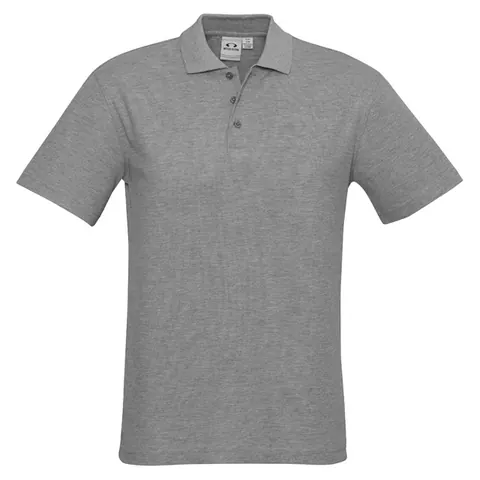
It depends on the garment, the quantity, how many decoration positions you want and how many stitches your logo needs. As a guide, embroidery starts from $15.50 a garment inc GST at the lowest stitch count, plus the garment. A plain poly cotton polo with a single left chest logo sits at the affordable end. A premium branded polo with a chest logo, a back print and names on each shirt sits well above it. Send us the logo, the rough numbers and the garment you like and we will price it properly rather than quote you a range that turns out to be wrong.
As a guide, around ten to twelve units on a new logo, because the logo has to be digitised first and that cost has to sit somewhere. Once your logo is digitised and on file, reorders can usually go down to a single garment. These are indicative and we confirm the real minimum for your garment and decorator on the quote.
As a guide, ten to fifteen business days from the moment you approve the artwork, plus freight. Two things are worth knowing. The clock starts at artwork approval, not when you place the order, and supplier stock is the single most common cause of a delay. If you have a hard deadline, tell us at the start and we will only quote you garments that can actually make it.
Yes, and you should. Most of the ranges here publish a matched mens, ladies and kids style in the same fabric and the same colours, so everyone gets the right cut without the order looking mismatched. The decoration stays identical across all of them.
A vector file is best, so EPS, AI or PDF with the fonts outlined. For embroidery your logo also has to be digitised, which is a separate file that tells the machine the stitch path. That is a one off fee of $68 inc GST per logo, and we keep the file so reorders do not pay it again. If all you have is a logo off your website, send it anyway and we will tell you what it needs.
Most do. The things that cause trouble are fine text under about 5mm high, thin outlines, gradients and drop shadows. Embroidery is thread, so it cannot fade one colour into another the way a print can. If your logo needs simplifying for the chest position we will tell you before you commit, and you will see it on a mockup at actual size first.
Sometimes, but it depends on the garment and the decorator. Decorating customer supplied stock carries a risk, because if a garment is damaged in the hooping there is no replacement to draw on. Ask us before you buy the stock rather than after.
Send us the headcount, the garments you like and your deadline. We will come back with a real number, including freight to your address.
Build your order online →